How Are Peptides Tested? Hplc, Coa & Purity Discussed 2026 Impact of temperature on reversed-phase high-performance liquid chromato-graphy of arbitrary coil vs α-helical peptides. The subscript R and H represent arbitrary coil and helical peptides, specifically. Column, problems, and peptide sequences explained under Subheading3.3.4. In the writers' experience, the most effective strategy to many logical peptide splittings up is to utilize aqueous TFA to TFA/CHCN direct gradients (pH 2.0) at space temperature level. Peptide resolution can be enhanced by differing the steepness of the acetonitrile gradient (usually, 0.5-- 2.0% CHCN/min) and the volatility of TFA eliminates the need for subsequent example desalting. TFA is additionally efficient in dividing intricate peptide blends due to its ion-pairing residential or commercial properties.
Measurable Analysis Of Peptide Pureness And Pollutants
Peptide purity screening refers to analytical procedures made use of to evaluate the structure and top quality of a peptide sample. You can have a vial of 99.9% pure peptide that is infected with bacterial byproducts from a dirty laboratory. May lack oversight, validated pureness levels, reputable documentation, or consistent production controls. The peptide market is sadly raging with counterfeit items that can harm your health and wellness or waste your money. Spotting phony or low-grade peptides is vital to ensuring you obtain what you pay for. Every legit research peptide vendor need to offer a certification of analysis (CoA) for every great deal of product marketed.
Exactly how to select the best peptide?
Prior to diving right into peptide treatments, it''s critical to plainly define your wellness and wellness goals. Are you aiming to lose weight, improve muscle healing, rejuvenate your skin, or merely enhance your general power levels? By determining your requirements, you can concentrate on peptides that the majority of efficiently target those locations.
If the pollutant portion has trimmed sequences with partial binding fondness, they can compete with the labeled ligand and create artifactually reduced evident binding fondness. Likewise, when a peptide is utilized at very reduced focus (sub-nanomolar), the impurity fraction stands for a proportionally bigger share of the total product, boosting the capacity for interference. A peptide detailed as 99% pure by HPLC includes 1% pollutants by UV-detected location. Those contamination fractions are not random impurities, they are structurally associated particles generated during synthesis. Recognizing what they are, where they originate from, and when they matter is essential for developing reproducible in vitro experiments. If the COA provides "overall impurities", that complements the purity figure (e.g., 98% purity implies 2% total impurities). Numerous COAs likewise define well-known or "defined impurities" versus undefined ones, each with their private portions if over a particular threshold. This degree of information aids researchers recognize if any small peptide spin-offs exist. Notably, purity portions describe chemical structure only-- they do not suggest sterility or organic viability. Peptides from Maxed Out Compounds are provided solely for laboratory research usage and are not planned for human or vet functions. The confirmation code system includes another measurement of transparency. That's why 99%+ purity is not simply an advertising and marketing buzzword-- it's a vital demand for attaining dependable, reproducible, and meaningful results. These inner standards straighten with the general field agreement released in technique areas of leading peptide pharmacology journals. There are specific research contexts where greater purity matters much more. Competitive binding assays making use of radiolabeled or fluorescent ligands are very sensitive to unlabeled rivals.
Peptides are charged molecules at many pH values and the visibility of various counterions will influence their chromatographic actions.
Researchers typically review pureness along with identification verification, testing techniques, and overall documentation.
A 95 percent peptide purity target is commonly used for very early research, exploratory assays, antibody generation, technique advancement or tasks where small contaminations are not likely to influence the intended professional operations.
Through methods such as HPLC and mass spectrometry, researchers can much better comprehend peptide composition, validate product identification, and evaluation distributor high quality requirements.
Furthermore, we can supply amino acid analysis (AAA) to determine the amino acid structure in a peptide or protein item, which guarantees speculative precision and uniformity.
In many cases, peptides are categorized based upon their number of amino acids.
What The Pollutant Portion Really Contains
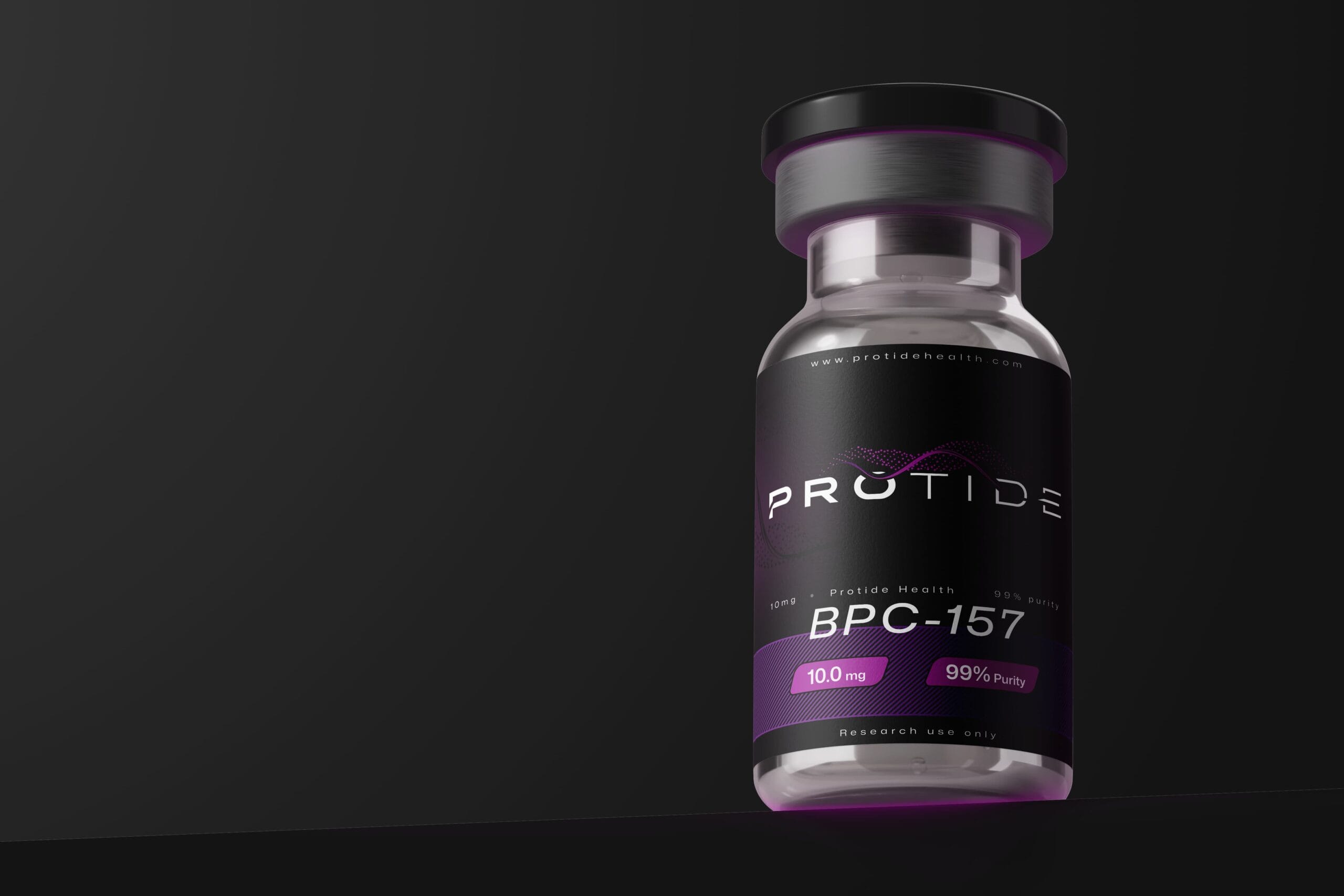
That means the product includes very little filler, impurities, or deteriorated peptides. Reduced purity means reduced efficiency and greater danger of adverse effects. A peptide identified as "10mg BPC-157" should include exactly 10mg-- not 8mg, not 12mg, yet 10mg. Pharmaceutical-grade makers utilize high-performance liquid chromatography (HPLC) screening to confirm exact application in every set. In this write-up, we're going to show you precisely what divides safe, high-quality peptides from the rubbish swamping the grey and underground market. You'll discover what to seek on a tag, why sourcing matters, and how Aspire's technique ensures you get actual outcomes without placing your health and wellness at risk. These impurities are structurally similar to the target compound and elute near it on a reverse-phase column, making them hard to completely remove by preparative HPLC. Their organic activity is usually missing or substantially reduced contrasted to the undamaged series, due to the fact that the missing out on residues normally contribute to the energetic conformation or binding pharmacophore. RP-HPLC stays the most widely used mode of HPLC for peptide separations (1-- 8). It is typically above various other HPLC modes in both speed and efficiency.
Targeting Cookies
BPC-157 (10mg)-- $250A 15-amino-acid peptide that speeds up recovery in soft cells injuries, protects organs, and combats intestine concerns like IBS and leaking intestine. Additionally sustains angiogenesis for athletic recovery, heart health and wellness, and enhanced efficiency. At Aspire Restoration, we've curated a detailed catalog of 23+ peptides that meet our stringent safety and high quality criteria. They're very carefully selected, carefully examined, and verified to deliver outcomes. Every peptide we offer is sourced from pharmaceutical-grade producers that comply with rigorous Good Manufacturing Practices (GMP). We work with relied on brands like Task Y Biotech to make certain every set is checked, labeled precisely, and secure for human usage. Column, conditions of preparative RP-HPLC and fraction evaluation, and peptide series explained under Subheading3.6.1. Analytical reversed-phase high-performance liquid chromatography profile of unrefined artificial 26-residue amphipathic -helical antimicrobial peptide. A, On-scale elution account; B, fourfold expansion of elution profile. Size-exclusion chromatography analysis of oligomerization states of peptides. A, B, elution profiles of peptides; C, partnership in between Log molecular weight of eluted varieties and their retention times. A 95 percent peptide pureness target is often made use of for early research study, exploratory assays, antibody generation, method development or jobs where small impurities are not likely to influence the desired expert operations. It can likewise be a sensible alternative when speed, expense and feasibility need to be balanced. Customers should still take into consideration peptide length, hydrophobicity, modifications AOD-9604 and application sensitivity before choosing a pureness level. A 95 percent target may be particularly sensible when the peptide is made use of as an interior study reagent and the downstream technique is forgiving of minor relevant pollutants. The choice ought to still be recorded inside, due to the fact that reproducibility and interpretation can end up being more crucial when a job relocates from screening right into development.